


The UN Independent Expert on protection against violence and discrimination based on sexual orientation and gender identity presents report to the Human Rights Council
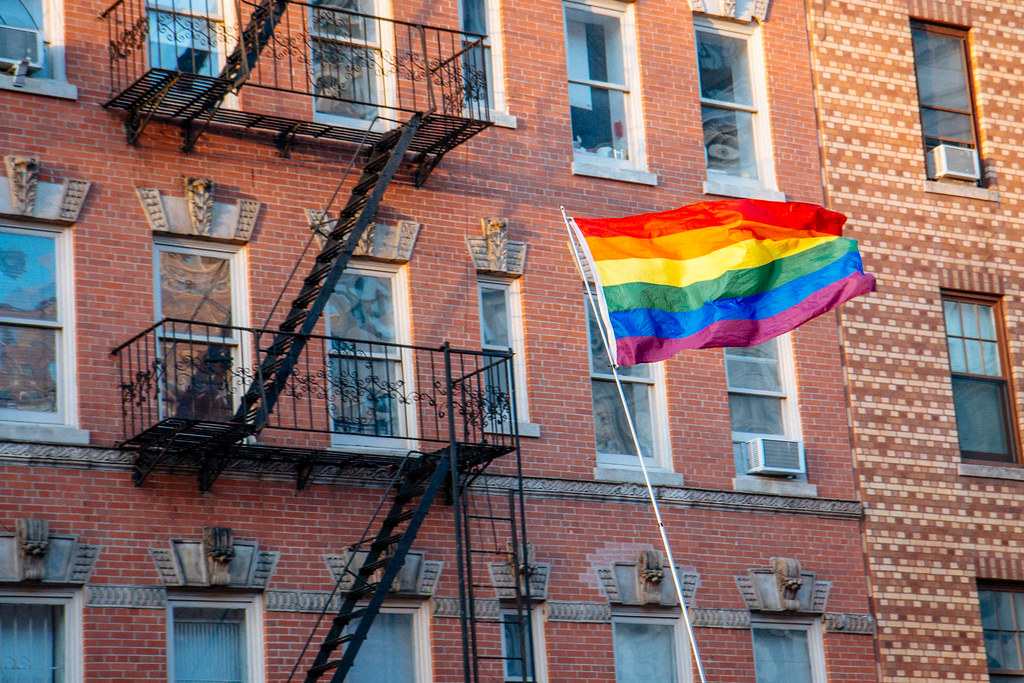
During the 62nd session of the Human Rights Council, held between 15 June and 10 July 2026, the Independent Expert on protection against violence and discrimination based on sexual orientation and gender identity, Graeme Reid, presented the report “Violence and discrimination experienced by lesbian, bisexual and queer women” (A/HRC/62/46), examining the distinct and intersecting forms of violence and discrimination faced by lesbian, bisexual and queer (LBQ) women across diverse contexts globally.
Drawing on over 200 submissions of evidence and documentation, Reid finds that LBQ women continue to face violence rooted in the policing of sexuality and the persistent denial of women's autonomy, despite advances in rights for both women and LGBTQ+ persons. The report analyzes violence at multiple levels: violence perpetrated by family members, violence in public, violence in medical settings, violence in the workplace and violence by security forces.
While international human rights law guarantees protections for all women, including those who identify as LBQ, regarding equality and non-discrimination, bodily autonomy, health, family life, property, inheritance, work, freedom from violence, and access to justice, these rights are frequently denied and LBQ women remain widely subjected to violence. The submissions show that women's access to rights and resources is often mediated through relationships with men; as a result, LBQ women face constrained ability to independently access property, healthcare, housing, family formation, legal protection, and organizational funding. In many contexts, marriage still defines women's adult status, leaving single, unmarried, or queer women expected to perform unpaid care rather than participate independently in public life. Discrimination in employment, worsened by gaps in legal protection, limits their economic independence and public presence, a problem compounded by stigmatizing media narratives and women's political underrepresentation (paragraph 4).
The report also identifies a significant data gap concerning LBQ women, which produces corresponding gaps in policy, programming and law. This gap is reinforced by methodological biases that dismiss LBQ women's experiences as too complicated, private, or insufficiently evidenced to document, reflecting a broader pattern in which research on women is discounted and gender-based exclusion is treated as methodologically neutral.
The expert draws numerous recommendations for States addressing several key areas for the fulfilment of LBQ women's rights:
- States should remove marital-status barriers to healthcare, housing, and property; end forced marriage; guarantee equal property and inheritance rights; abolish male guardianship systems; ensure equal access to fertility treatments; and recognize LBQ families' full parental authority.
- On the violence front, States should investigate and prosecute crimes against LBQ women, improve data collection, make domestic violence protections LBQ-inclusive, train officials, and prohibit the non-consensual disclosure of sexual orientation or gender identity.
- On family matters, States should repeal adoption bans targeting single, unmarried, or LBQ women, recognize diverse family structures, and reform discriminatory fertility laws.
- On the legal and civil front, States should protect LBQ activists, guarantee their participation in public policymaking, repeal laws criminalizing same-sex relationships and "morality" laws, decriminalize sex work, and investigate abuses by law enforcement.
- Finally, States should affirm women's full legal capacity at 18, pass comprehensive anti-discrimination laws, ban coercive medical practices, ensure confidential and non-discriminatory healthcare, and decriminalize abortion.
LBQ women, human rights defenders, and their communities have proposed a combination of measures: longer-term efforts aimed at transforming gender hierarchies, alongside immediate, practical steps to improve LBQ women's daily living conditions, steps that do not depend on broad shifts in societal attitudes toward sexual orientation. These proposals aim to enable progress even in contexts of State-sanctioned discrimination, while emphasizing the transformation of gender hierarchies as foundational to broader equality. Their research, testimony, and analysis indicate that LBQ women view their freedom as a precondition for the elimination of anti-LGBT discrimination, rather than an outcome that must wait for it.